Several major US networks have stepped away from bidding for the 2030 FIFA World Cup media rights as FIFA seeks more than $1.5 billion for the package. NBCUniversal, ESPN, CBS Sports, Skydance, Apple, and YouTube have all withdrawn, leaving Fox and Netflix as the primary contenders for English-language rights. Univision is expected to take a lead on the Spanish-language broadcast, potentially working alongside Fox, while Amazon has submitted a separate bid.
NBCUniversal will not pursue the rights for either its English-language NBC broadcast or its Spanish-language Telemundo network, according to industry sources and multiple reports. This marks a significant retreat following similar decisions by ESPN, CBS Sports, and Skydance, the parent company of TNT Sports, which recently acquired Warner Bros. Discovery and now carries around $80 billion in debt.
FIFA’s asking price for the 2030 event, which will be hosted across Morocco, Portugal, Spain, Uruguay, Argentina, and Paraguay, is a steep increase from the $1.285 billion Fox and Telemundo combined paid for the 2026 World Cup rights. The 2026 tournament was held in North America, providing convenient time zones for US viewers. In contrast, the 2030 matches will take place primarily five time zones ahead of the US East Coast and eight ahead of the West Coast, making live broadcasts in prime time impossible.
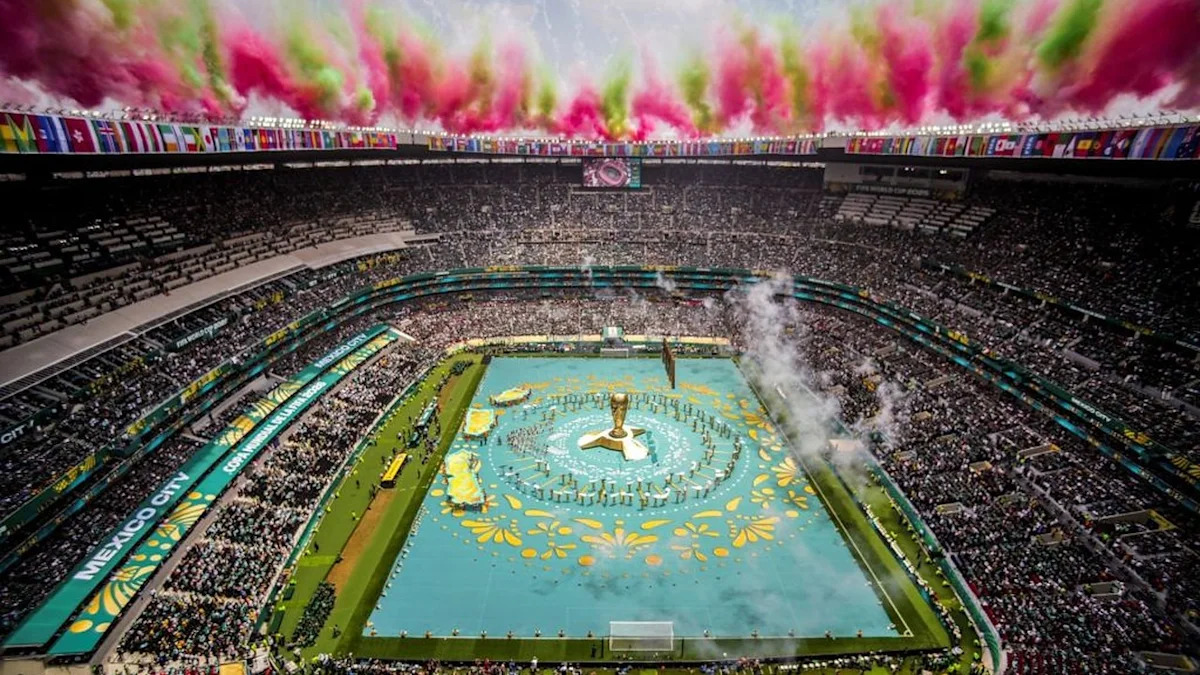
Fox's coverage of the 2026 World Cup averaged 7.74 million viewers per match in English, while Telemundo averaged 6.3 million in Spanish. Both networks doubled their 2022 World Cup averages, reflecting the appeal of a tournament held within North American time zones. The 2034 World Cup, set for Saudi Arabia, will present an even greater time zone challenge for American broadcasters and could be moved to a fall schedule, further complicating viewership due to a crowded sports calendar.
The bidding process is also unfolding amid significant corporate upheaval across US media companies. NBCUniversal is in the midst of separating from its parent company Comcast, anticipating a restructuring charge of at least $1 billion. Disney, ESPN’s parent company, is shedding thousands of jobs and seeking $3 billion in annual operating savings. Fox, while a frontrunner for the rights, has spoken publicly about the need to “rebalance” its sports rights in light of likely fee increases to maintain NFL programming.
Disney CFO Hugh Johnston underscored the cautious approach during a recent earnings call, saying, “The thing I would tell you is we always look at deals with discipline and an eye towards driving value for the shareholders, as well as our fans.” Fox executive chairman and CEO Lachlan Murdoch echoed that sentiment, stating, “We obviously were happy with the performance of the World Cup this past year, and we will be looking at the rights for 2030 and 2034 in a disciplined manner, as we would with all sports rights.”
Netflix’s involvement in the bidding for the 2030 men’s World Cup adds a new dimension, as it currently holds the US rights for next year’s Women’s World Cup. This move signals the streaming platform’s growing interest in live sports, though it faces a challenge in matching traditional broadcasters' reach and adapting to inconvenient match times.
Univision, with its broader Spanish-language reach compared to Fox Deportes, is expected to be a significant player for Spanish rights, potentially collaborating with Fox. Meanwhile, Amazon’s separate bid suggests the tech giant is also keen to enter or expand its sports broadcasting portfolio.
The bidding is set to conclude by the end of the year, but the combination of the high asking price, unfavorable match times for US viewers, and financial caution among media companies has narrowed the field. The 2030 World Cup’s split locations and time zones mean it is highly unlikely to match the record American viewership of the 2026 tournament, despite FIFA’s confidence following this year’s historic audiences.
According to Yahoo Sports.