UFC 332 set a new promotional record for knockouts with 11 finishes, including seven consecutive first-round stoppages, but questions linger over the overall quality of the fights. The event delivered an intense night of violence and early conclusions, yet some observers criticized the matchmaking and fighter selection.
The record-breaking number of knockouts provided plenty of excitement, prompting UFC president Dana White to point to the card’s entertainment value amid earlier skepticism. The event, held in late 2023, saw fights end quickly and decisively, offering fans dramatic moments and a showcase of finishing ability.
Despite the knockout spree, the card drew criticism for lacking star power and competitive depth. Rafael dos Anjos, a former lightweight champion, appeared but has not held a title in over a decade. Deiveson Figueiredo, once flyweight kingpin less than four years ago, appeared washed and suffered a stoppage loss. Newer champions like Natalia Silva were present but had yet to break through as major draws. Observers noted the absence of familiar names for casual fans who have only recently followed UFC closely.
Some analysts viewed the event as a calculated move by the UFC to prioritise violence over competition. The matchups seemed designed to create finishes rather than tightly contested battles. This approach was clear in the selection of aging veterans and prospects facing less challenging opponents. Three fighters aged 40 or older all suffered stoppage losses, raising concerns about their durability after years of accumulated punishment.
Figueiredo, approaching 39, had previously lost by TKO to Brandon Moreno. His latest defeat suggested his decline continued and that further stoppages could be unavoidable. While some matches appeared competitive early on—such as dos Anjos against Alexander Hernandez or Court McGee facing Eric Nolan, who was yet to win in the UFC—the veteran fighters were at risk of being overwhelmed.
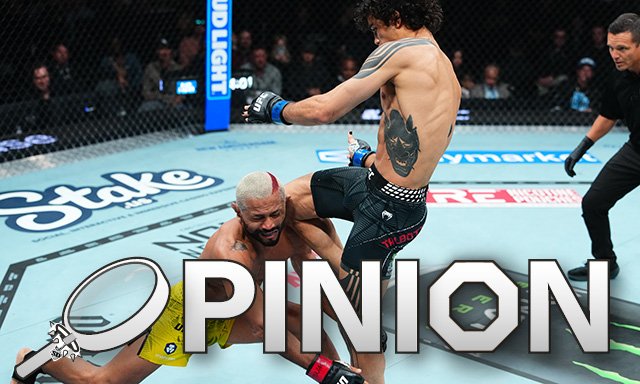
The event also featured several uneven matchups. Payton Talbott, having outpointed Henry Cejudo in his previous outing, faced Figueiredo, a significant step down in challenge, resulting in a quick finish. Damian Pinas moved from facing Cesar Almeida to a lower-profile opponent, Andrey Pulyaev. Anthony Wint, booked on short notice, fought newcomer Lucas Armand. These three fights combined lasted just under four minutes, a stark indicator of the card’s emphasis on swift conclusions.
The UFC’s strategy appears to embrace developing prospects aggressively, signing them before they face tougher competition and providing manageable opponents while building hype. This approach aims to keep events entertaining and maintain fan interest even when big names are absent.
While the UFC brand remains strong, especially without a standout star like Conor McGregor, similar matchmaking strategies may be employed for future events outside marquee venues like Madison Square Garden. Cards in cities such as Cincinnati or Denver, or on Brazilian soil, might follow this pattern to ensure excitement despite less star appeal.
The promotion is unlikely to publicly admit to this approach, continuing to assert it features the best fighters globally and focuses on fan entertainment. UFC 332 offered one of the most thrilling nights in recent memory, though opinions differ on whether the card met the standards set by previous numbered events. The next UFC event will reveal if this knockout-heavy model is sustainable or merely a one-off success.
According to Yahoo Sports.