
Glasgow's 2022 Commonwealth Games rescue mission has revealed the organization's plans to reform and adapt for its future relevance.
Glasgow might have saved the Commonwealth Games, but don't expect to see them back on these shores for a generation. Four of the last seven editions have been staged in Great Britain, and it's clear that Commonwealth Sport realises it needs to cut ties to the mother country for its future relevance.
Scotland gets its eternal thanks for stepping in at just 18 months' notice when Australia said it couldn't afford to host. Australian taxpayers ended up paying Glasgow £100m in compensation to stage the Games on their behalf and then duly topped the medal table with 70 golds.
Glasgow has acted as a bridge to the future of the Commonwealth Games movement, according to Commonwealth Sport president Dr Donald Rukare. He praises Glasgow's bravery, courage, friendship, and outstanding innovation in hosting the Games.
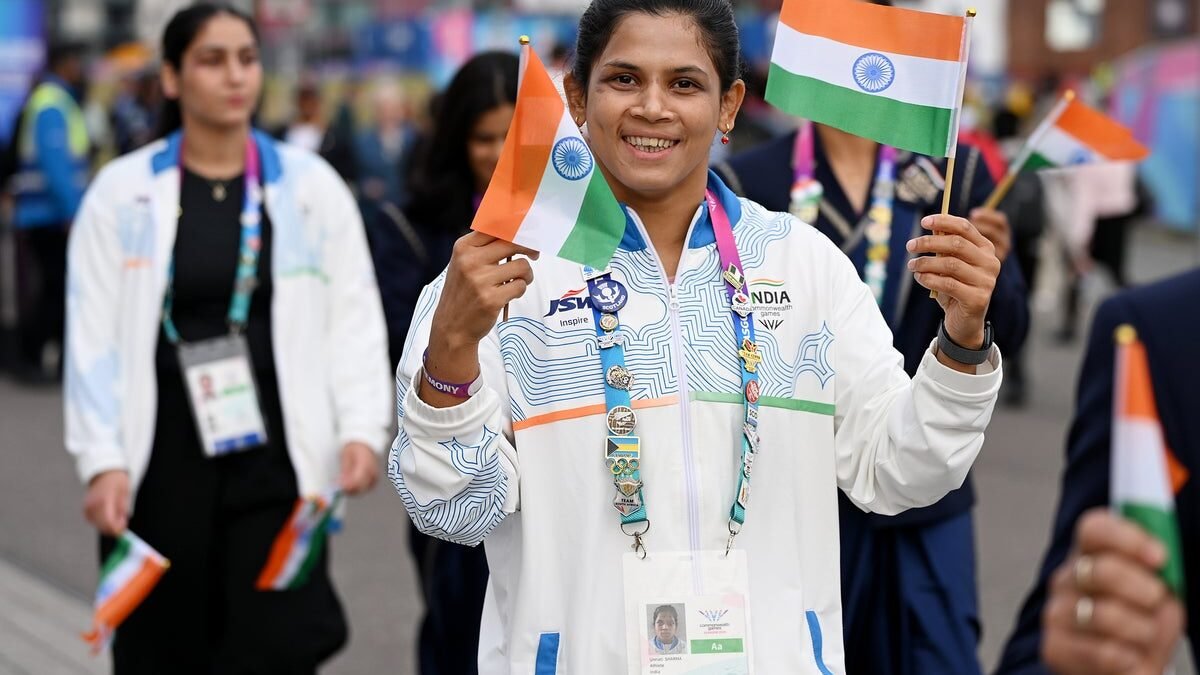
The baton has passed to India for the next Commonwealth Games, with a final decision on the sports programme for 2030 expected to be announced early next year at Commonwealth Sport's annual general meeting. India will host the centenary Games, and there are four private expressions of interest for 2034.
Nigeria has made no secret of its desire to become the first African host, while New Zealand believes a lower-cost approach to hosting finally gives it a chance to welcome the Commonwealth for the first time since 1990. Canada hasn't hosted since 1994 either.
Commonwealth Sport chief executive Katie Sadlier explains the shift in their approach: "It's a much more collaborative process. We're not telling hosts, 'This is what you must do.' Instead, we're asking, 'What are you trying to achieve?' and then working with them to make that happen."
The organization has set a guideline of around 15 to 17 sports, but if a future host comes to them with a proposal they believe works for them, they'll sit down and work through it together. This new approach aims to reduce unnecessary spending on facilities and VIP services.
The Commonwealth movement can see the Games shifting away from the UK, a feeling reinforced by the BBC's decision not to broadcast them free-to-air for the first time since 1954. India, which currently leads the world in anti-doping violations, won 13 golds to finish fourth in the medal table and is expected to stack the sports programme to its athletes' advantage.
Archery, badminton, hockey, shooting, and squash are all expected to return, with kabaddi and competitive yoga also making their case. Raghu Iyer, chief executive of the Indian Olympic Association, says: "There will be a discussion around which indigenous sports we want to showcase."
India will feature 50 per cent more sports than the previous Games, but the Commonwealth movement is cautious about the country's past experience with corruption and incompetence. The next chapter of the Commonwealth Games will reveal whether survival was merely enough, or the start of renewal.
The decisions that come next will determine whether the Commonwealth Games thrive or fade away.
Source: Yahoo Sports