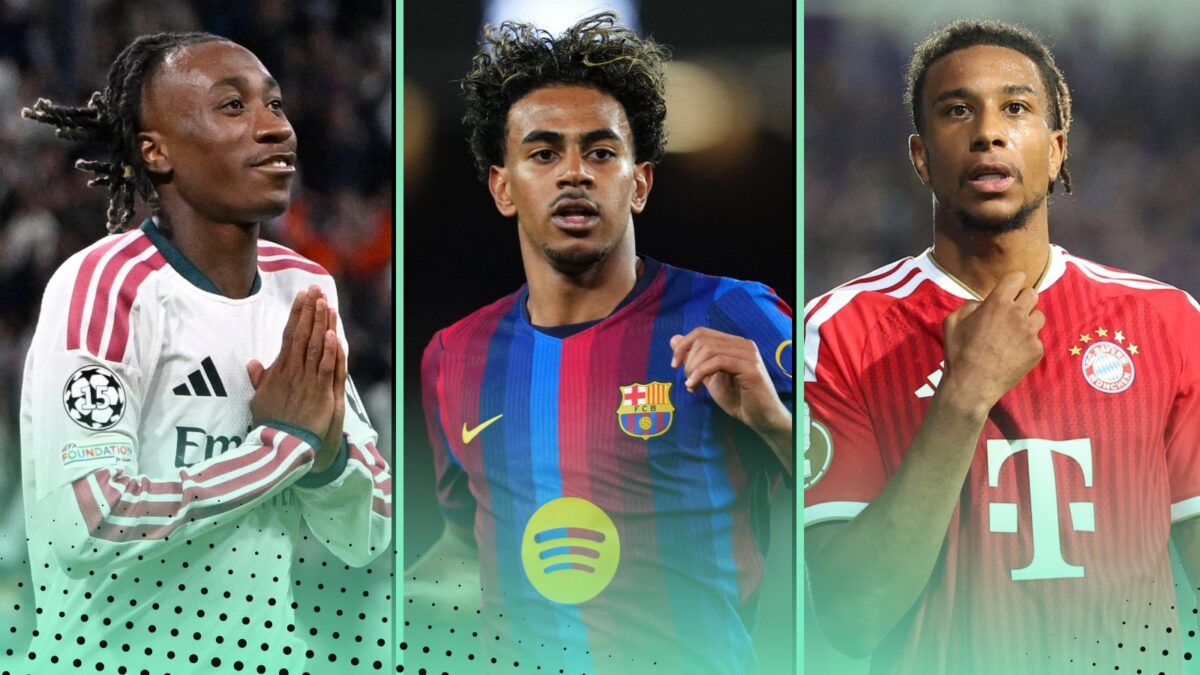
Lamine Yamal has emerged as the top winger in world football, joining the ranks of elite wide attackers from Barcelona, PSG, and Bayern Munich who have seen their reputations grow after the World Cup. The 17-year-old Barcelona talent, often described as La Masia’s most gifted graduate since Lionel Messi, recently added a World Cup winner’s medal to his achievements and has become a fixture in discussions about the game’s best.
The list of the top 10 wingers reveals a noticeable absence of Premier League players, a detail that may reflect the league’s demanding physical style and defensive structures that limit expressive one-on-one play. This shift is underscored by the fact that many players on the list have found greater success after moving to continental Europe.
Jeremy Doku ranks tenth. The Belgian’s dribbling stands out among the world’s best, though his development into a more consistent goalscorer and creator remains a work in progress. Anthony Gordon, who began his Barcelona tenure impressively, takes ninth place. The 25-year-old has adapted well to Hansi Flick’s demanding tactics, using his work rate and defensive discipline to support teammates while pressing from the front.
Vinicius Junior occupies eighth but is a complicated figure in current football. Once a Ballon d’Or contender, his recent form has dipped, and Real Madrid’s performance during his La Liga suspension raised questions about his role. Despite this, Vinicius still produces moments of brilliance, including at the World Cup, where he carried Brazil through difficult spells. His goals in 2026 have kept him relevant, though his contract and wages could pose challenges for Madrid if his dip lasts.
Luis Diaz is seventh after moving from Liverpool to Bayern Munich, where his pressing and intensity have added a new dimension to the team. His goal-scoring has even surpassed the tallies of Bayern legends like Arjen Robben and Franck Ribery in a single season, yet his influence has settled as he shares the spotlight with Harry Kane and Michael Olise.
Yan Diomande, a young Ivorian winger at Real Madrid, ranks sixth. His arrival has reportedly improved the team’s balance, offering defensive discipline and explosive dribbling on the left flank that complements the squad’s needs more effectively than Vinicius Junior. Diomande’s spectacular goals and decisive moments have started to justify the significant transfer fee Madrid paid.
Desire Doue, a 21-year-old French international, comes in fifth. Since his brace in the 2025 Champions League final, Doue has taken steady steps forward with PSG. The club's willingness to sell Barcola indicates their confidence in Doue’s development. His finishing is noted for its precision, and he has become a crucial figure in PSG’s attack, especially with Khvicha Kvaratskhelia sidelined.
Lionel Messi, despite being 39 and playing in MLS, is fourth. His World Cup performances reminded fans that he remains among the best players globally, defying age and distance from European football. Calls for a final loan stint in Europe persist, reflecting his enduring influence.
Khvicha Kvaratskhelia ranks third, a player whose impact goes beyond statistics. His eight goals and four assists in Ligue 1 last season do not capture the flair and unpredictability he brings, drawing comparisons to Ronaldinho, Georgi Kinkladze, and Ricardo Quaresma. His ACL injury sidelines him for the season, but his status among the best remains intact.
Michael Olise is second. Although often overshadowed by Harry Kane and the Bundesliga tax narrative surrounding Bayern Munich, Olise’s ninth-place finish in the Ballon d’Or voting suggests he is a serious contender for the award in 2027.
This ranking, compiled amid shifting dynamics in European football, underscores how the World Cup has reshaped perceptions of wide attackers. Lamine Yamal’s rise, alongside established stars, points to a new generation taking centre stage just as veterans like Messi continue to defy expectations.
According to Planet Football.