UFC and WWE are facing sharp criticism for scheduling major fights in Saudi Arabia amid escalating conflict and a recent US embassy evacuation. The decision to hold these events in a region experiencing increased violence has drawn attention as the United States pulls diplomats and non-emergency personnel out of the country.
The controversy intensified as a strike hit a Saudi airport just last night, killing multiple people. The ongoing military conflict in the area has raised concerns over the safety of athletes, staff, and spectators. One commentator noted that hosting such high-profile sporting events in what is essentially an active conflict zone is "absolutely ridiculous," especially since the events could take place in safer locations like Las Vegas or New York.
The backlash is not limited to logistical concerns. Questions about the ethics of prioritizing entertainment over safety have emerged. Some argue that if injuries or worse occurred during these events, the media and public would react strongly, pressing the organizations involved to justify their decisions. Critics suggest that such an outcome would force governing bodies and event organizers to explain why they sent participants into a dangerous environment.
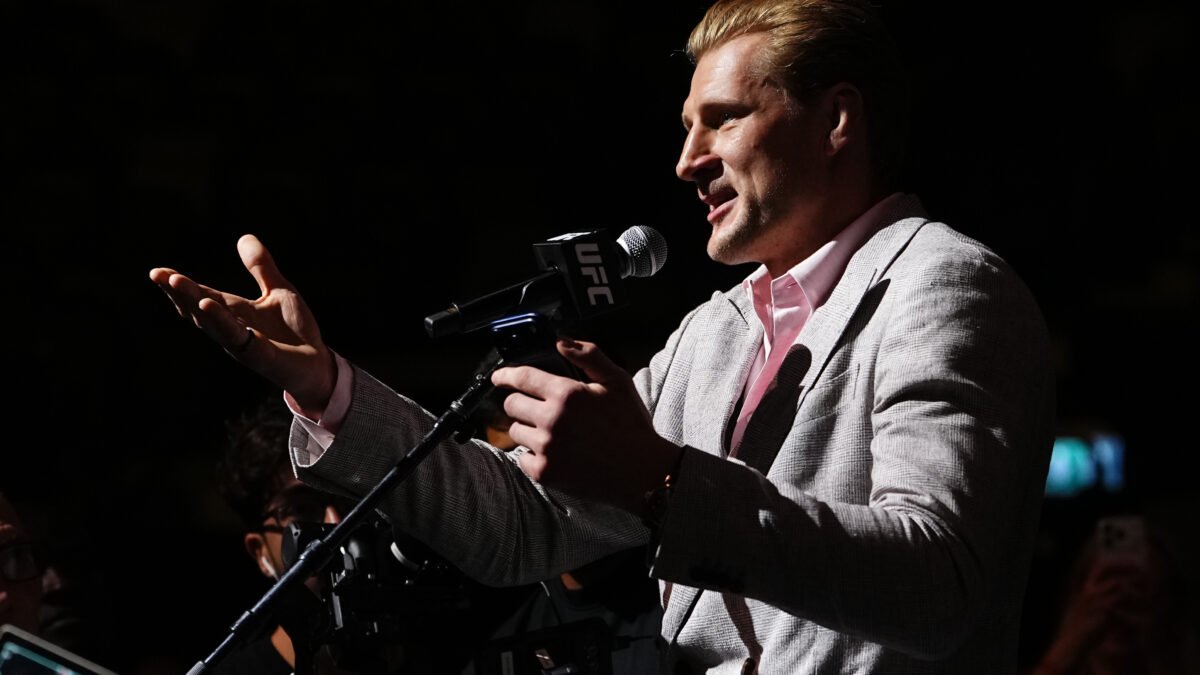
The UFC president Dana White has also come under fire for his apparent disconnect from key fighters and the organization’s current roster. At a recent press conference, White failed to recognize Alexander Volkov, a top-five heavyweight with a decade of UFC experience, who showed up unexpectedly. Observers say White's lack of familiarity plays into a larger narrative that he is disengaged from the UFC’s day-to-day affairs.
One fan remarked that White might claim poor lighting or Volkov’s different appearance contributed to the oversight, but the incident still highlights the UFC president’s detachment. Volkov’s presence at the event was seen as an embarrassing moment for White, though some speculate he may not react strongly given his apparent indifference.
Meanwhile, the UFC's expansion into boxing through its Zuffa division faces uncertainties tied to its Saudi connections. The company’s business model depends heavily on Saudi oil money, and any sudden changes in the region’s stability could force Zuffa to reconsider its investment. The bespoke legislation crafted to support Zuffa Boxing’s ambitions complicates matters, but the sport’s wider community appears to be responding to this growing influence.
In the midst of these broader concerns, fans have discussed the UFC’s competitive future. A suggestion for a four-man grand prix in the light heavyweight division has gained traction as a way to maintain interest and identify new challengers. Proposed matchups include Navajo Stirling versus Jiri Prochazka and Magomed Ankalaev against Paulo Costa, offering a clear path to the title for when Carlos Ulberg returns.
The timing of UFC events also intersects with other major entertainment releases. UFC Qatar is set to be the first event after the launch of GTA 6, leading some to question whether the fight card can compete for attention. One commentator admitted that while they have never played a GTA game fully, they would still choose to watch UFC over gaming, although the appeal of the new GTA release is substantial.
The current situation leaves the UFC and WWE navigating complicated terrain. The decision to stage events in Saudi Arabia during heightened conflict and diplomatic withdrawals has sparked criticism that could affect public perception and athlete safety. The organizations’ next moves will be closely watched as the situation unfolds.
According to Yahoo Sports.