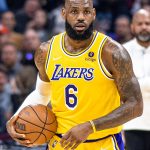
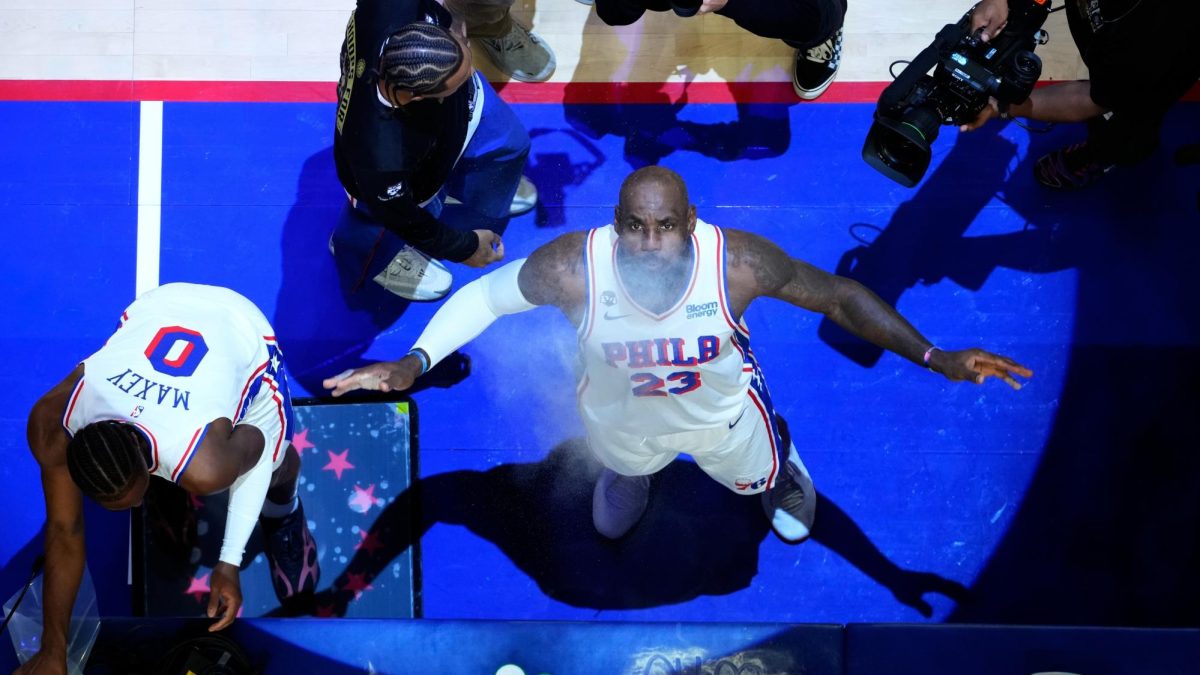
LeBron James will earn $15 million a year from his endorsement deal with prediction market Polymarket, a figure that surpasses his salary with the Philadelphia 76ers, highlighting how gambling sponsorships are becoming deeply embedded in professional sports. This deal is part of a larger trend where high-profile athletes across disciplines are increasingly endorsing gambling-related platforms with little apparent concern for the backlash from fans.
Giannis Antetokounmpo’s announcement in February that he had taken an investment stake in prediction market Kalshi was met with widespread outrage. Yet, nine months on, Kalshi’s monthly trading volume has surged to nearly $100 billion in October, up from $40 billion in August, as the company prepares for a funding round at a rumored $65 billion valuation ahead of a potential IPO. Polymarket, which relaunched in the US late last year after regulators shut it down in 2022, has also experienced similar growth.
The sports world has seen an increasing number of athletes and former athletes embrace these platforms without hesitation. Pete Sampras, who had largely stayed out of the public eye since retiring, appeared in a Kalshi ad during the US Open, marking a significant return to the spotlight. José Mourinho received a substantial payment to promote Kalshi during this year’s World Cup. NBA champions Jalen Brunson and Josh Hart regularly promote Polymarket on their podcast, Roommates Show. These partnerships indicate the blurred lines between athletes as role models and endorsers of gambling enterprises.
LeBron James’s contract with Polymarket is among the most lucrative examples. At $15 million annually, it eclipses his NBA salary, which signals the growing financial allure for athletes in the gambling sector. Victor Wembanyama, a rare voice opposing these deals, has publicly declined gambling money, a stance that appears increasingly unusual in today’s sports climate.
The motivations behind these endorsements are complex. Despite their wealth and reputations, athletes like LeBron, Giannis, Sampras, and Mourinho seem drawn to the lucrative offers from prediction markets. These platforms are aggressively seeking positive exposure as they race toward public offerings. Reports indicate they offer tens of thousands of dollars even for minimal engagement from journalists, reflecting a strategy aimed at embedding themselves deeply in the culture of professional sport.
Magic Johnson, with an estimated net worth of $1.6 billion, has spoken about the opportunity cost of turning down Nike stock decades ago, illustrating how even the extremely wealthy are driven by the prospect of increasing their wealth. In that light, the lucrative gambling deals might be seen less as a moral choice and more as a financial opportunity too good to pass up.
The rise of these platforms also mirrors broader economic anxieties. In a world where AI threatens to disrupt employment and economic inequality is widening, the drive to “get this bread” has shifted from individual hustle to a larger cultural obsession with financial survival. For some athletes, aligning with gambling firms might be a way to secure their position in a changing economy.
The infiltration of gambling sponsorship into sports is not limited to the United States. While the source material focuses on US platforms and athletes, the parallels are clear globally as Premier League players face increasing scrutiny over their own gambling endorsements. This scrutiny has intensified amid concerns about the impact of gambling advertising on fans and the integrity of sport.
As prediction markets like Kalshi and Polymarket expand their reach, the debate over the relationship between sport and gambling sponsorships is likely to grow louder. The decisions of prominent athletes to embrace these deals or reject them will continue to shape public perception and regulatory responses in the months ahead.
According to Yahoo Sports.