Pablo Torre’s investigation into Kawhi Leonard and the Los Angeles Clippers led to one of the harshest penalties ever imposed on a pro sports owner in the United States. The reporting, which earned multiple journalism awards and fueled the Pablo Torre Finds Out podcast, prompted the NBA to punish Clippers owner Steve Ballmer for violating salary cap rules. The fallout extended beyond basketball and into federal investigations and lawsuits alleging fraud.
The investigation hinged on the NBA’s collective bargaining agreement (CBA) between the league and its players. When the league announced the penalty against Ballmer, it revealed a side agreement with the players’ union that shielded Leonard from direct punishment, making it more difficult for Ballmer to contest the ruling. Torre’s reporting effectively used the NBA salary cap rules to expose wrongdoing and enforce accountability, reinforcing the CBA’s authority in the process.
NBA player and podcaster Draymond Green recently criticized the salary cap system during a television interview. He argued that the scandal showed owners want to pay players more than the cap allows. “Ultimately, the circumvention was because that guy was worth more than they could pay,” Green said. “So if he’s worth more than they could pay, why can’t he make that?” Salary caps are often viewed by union representatives as mechanisms that suppress player wages and limit earnings.
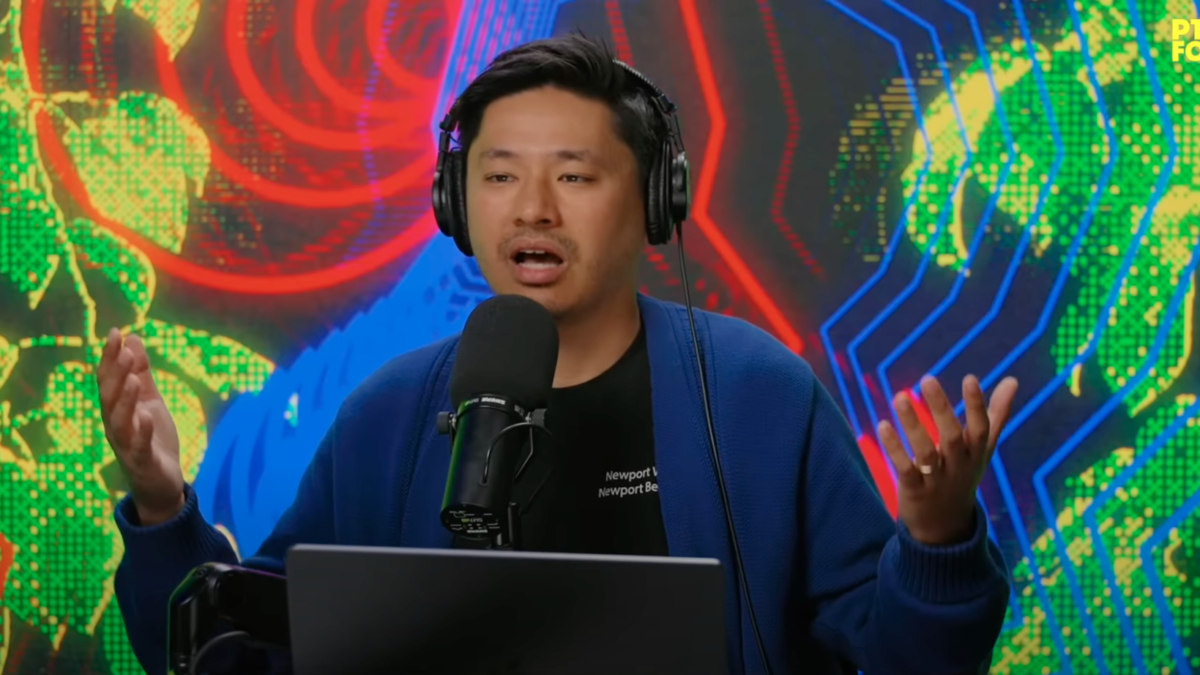
On The Pivot podcast this week, Torre responded to criticism that his reporting on the Clippers scandal hurt players by targeting a billionaire owner. Torre said he did not regard the salary cap as a sacred rule but as a tool for leagues to hold wealthy owners accountable amid widespread financial wrongdoing. “I don’t give a f*ck about the salary cap,” he said. “If you want to renegotiate the next CBA and say we’re uncapped, I get it completely.”
Torre emphasized that his concern lies with financial crime rather than the salary cap itself. He framed the Clippers investigation as a rare example where the richest people in sports could face consequences for breaking rules around money. “I care about financial crime as the question of, is it even possible to hold the richest people accountable when it comes to what they are doing with their money,” Torre said.
The story extends beyond NBA boundaries. Federal authorities have reportedly opened an investigation into Ballmer, and lawsuits accuse him of fraud. Torre said these wider implications motivate his work more than whether Ballmer violated sports rules. “Sports fans are obsessed with minutiae. And the question is what if we harnessed the degree of care that people had for sports, and put it toward something like holding the wealthiest people accountable?” he said. “And in sports, with the Clippers story, we proved that that’s possible.”
Torre believes that financial wrongdoing in sports can serve as a metaphor for broader issues in society. He hopes his reporting demonstrates that consequences for wealthy individuals remain possible. His series continues despite the NBA’s ruling and has recently linked Leonard to a signed agreement and a public appearance with Boingo, a Clippers sponsor allegedly used to compensate Leonard beyond the salary cap.
Torre also wants to explore how Ballmer may have supported companies like Aspiration to facilitate payments to Leonard and potentially defraud investors. He acknowledges that players like Leonard can shift between victim and villain in this complex situation. Torre accepts that some individuals caught in this gray area may become collateral damage as he seeks to hold powerful figures to account and reveal financial misconduct.
The investigation remains ongoing, with Torre continuing to report on developments as the NBA and federal authorities examine the Clippers’ financial dealings.
According to Yahoo Sports.