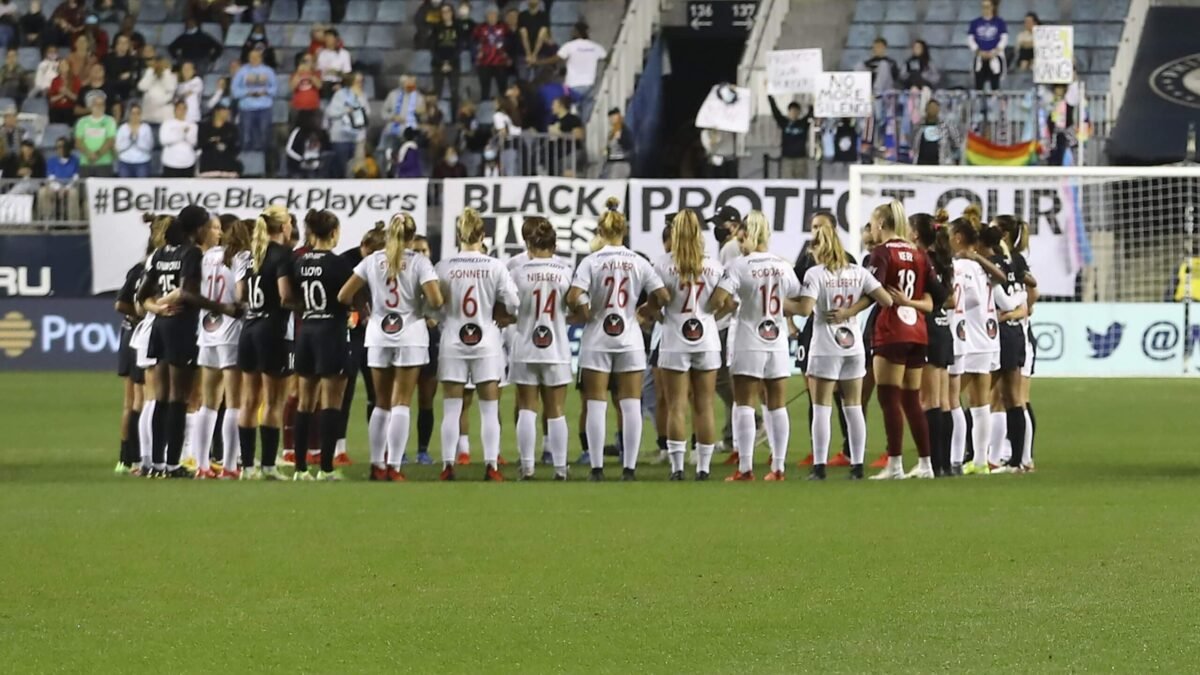
On a chilly evening in early October, Gotham FC and the Washington Spirit stepped onto the pitch for the first time in 10 days, marking the National Women’s Soccer League’s return after a sudden pause triggered by allegations of sexual misconduct. The halt came after former players Sinead Farrelly and Mana Shim shared their experiences with The Athletic on September 30, 2021, accusing a prominent NWSL coach of sexual coercion and exposing the league’s failure to respond. Their revelations led to the firing of coach Paul Riley, the suspension of his U.S. Soccer license, and a league-wide reckoning whose repercussions are still shaping the sport five years later.
Farrelly and Shim’s story was one of several troubling accounts from that year, but it cut through widespread indifference toward the league at the time. Riley was dismissed the same day the story broke, and multiple games were postponed. The NWSL quickly lost its commissioner Lisa Baird and general counsel Lisa Levine. Two independent investigations were launched, one led by Sally Q. Yates and commissioned by U.S. Soccer, the other a joint effort by the league and the players’ association. These inquiries resulted in permanent bans for four coaches, including Riley, Rory Dames, Richie Burke, and Christy Holly.
In the days between the initial story and the league’s resumption, players spent hours in conversation, wrestling with trauma and uncertainty. Meghann Burke, executive director of the NWSL Players Association, recalled long phone calls and Zoom meetings where players questioned whether the league could survive. “We really questioned, ‘Is this league salvageable?’ It’s so rotten to its core — and not just the league office, but at the team (level), the whole system, the way it had been built, its origin story,” Burke told The Athletic.
The players faced a stark choice: save the league or let it collapse. Burke described a late-night call where players reflected on the fragility of their careers and the legacy of previous women’s leagues that had folded. “This is our league,” she said. “You have the privilege of getting to sit in an executive chair or hold ownership stakes in a team. But that doesn’t mean it’s yours. It actually belongs to the players and the fans and the people who have really made this what it is.”
On the pitch that October night, both teams paused at the sixth minute, linking arms and standing silent to honour those affected by the scandal. That moment, repeated across matches that weekend, marked the end of an era of silence that had protected the league but at a human cost. The players made it clear they would no longer accept the status quo.
Since then, the NWSL has undergone significant changes. The investigations led to stronger protections and reporting processes. The first collective bargaining agreement between the players’ union and the league was signed in 2022 and renegotiated in 2024, giving players expanded rights. Team valuations have soared, with expansion fees climbing from $3-5 million in 2021 to $205 million for the newest Columbus franchise. The league will grow from 10 teams in 2021 to 18 next season, with many clubs under new ownership, shifting the board of governors from millionaires to billionaires and private equity investors.
Jessica Berman, appointed commissioner in 2022 after serving as deputy commissioner of the National Lacrosse League, was renewed for a second term last November, with her contract extending through 2028. Under her leadership, the league has moved into a new office in the Fred F.
Players now have full free agency, the college draft and expansion draft have been abolished, and all contracts are guaranteed. Discovery rights, which once allowed clubs to claim players, are gone. The 2026 minimum salary of $50,500 nearly matches the 2021 maximum base salary of $52,500. These changes came directly from collective bargaining, reflecting the players’ increased influence over their careers.
The league’s growth has also been reflected in its fan base and events. Matches played on baseball fields now break attendance records rather than drawing ridicule. Trinity Rodman’s star power has led the league to reshape rules to retain her, and the NWSL Championship has evolved into a week-long event with a primetime finale. The league’s shift from silence to openness five years ago has redefined its identity and trajectory.
The latest chapter saw the NWSL welcoming new franchises and owners prepared to invest heavily in the future, signaling a different kind of challenge ahead as the league continues to evolve.
According to Yahoo Sports.