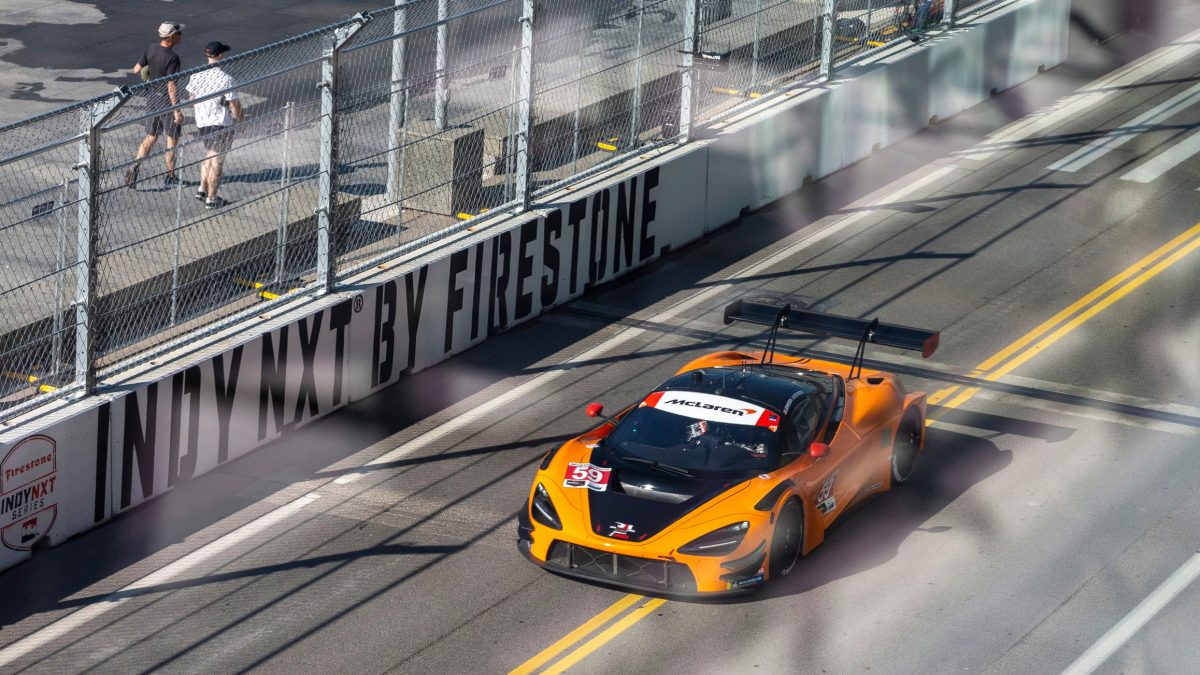
McLaren and Toyota are entering the final homologation phase for their 2027 race cars after completing essential tests this month, aiming to meet deadlines ahead of their major debuts next year. McLaren United AS team boss James Barclay confirmed the British manufacturer is now focused on integrating its full driver lineup following the confirmation of the roster.
McLaren plans two more tests before the end of November, including one at Portimao with all six drivers participating. Barclay told reporters after the recent 6 Hours of Monza that the program’s next stage involves gathering all drivers to develop both the car and team operations. The LMDh car, built on a Dallara chassis, is nearing homologation completion. Barclay said the team is concentrating on fine-tuning drivability and perfecting aero balance rather than making major changes to aerodynamics or powertrain.
“Our development continues until the last possible moment,” Barclay said. “There are no fundamental shifts in aero or powertrain at this point. We’re focusing on ensuring the aero balance is correct and that all desired fine details are perfected.”
Toyota took a different route by testing its GR GT3 in concept form during the SUPER GT finale at Motegi earlier this month. Rookie Racing fielded the car with drivers Hiroaki Ishiura and Tokiya Suzuki. The car finished 24th in the second race and 19th in the GT300 class in the first, hampered by multiple penalties. Because the GR GT3 lacked homologation, the series organizer GTA allowed special permission for the test but rendered the car ineligible to score points.
Toyota global motorsport director Masaya Kaji told Sportscar365 that the primary aim of the test was to identify any technical issues. He admitted a sensor correlation problem caused a loss in top speed during Friday’s free practice, describing it as the kind of issue that testing is intended to uncover. Since most development took place in Japan, the team trusted Rookie Racing to handle the car properly, which influenced the choice of Motegi for the test.
Kaji added that conducting a tire test on the Monday following the second race was beneficial. He said the team did not push for maximum speed during the championship battle but found the performance level acceptable. Toyota must secure homologation by December 10-11 to prepare for an IMSA-sanctioned test at Daytona International Speedway, which is likely the program’s next target.
Since McLaren’s first rollout at Varano in May, all tests have used a single development chassis. Barclay contrasted this with Ford’s approach, which involved two ORECA-chassied LMDh cars and a debut only in August despite targeting the same 2027 Hypercar entry. He explained that confirming and finalizing the car before committing to two vehicles allowed the team to concentrate on developing parts more effectively.
Toyota expects its GR GT3 to receive FIA homologation soon. Kaji said the process is ongoing and “the situation looks acceptable” with hopes for approval “in the very near future.” While exact production numbers for the car’s first full racing season remain unknown, it is expected to compete in multiple categories where Toyota has been active recently.
Both McLaren and Toyota are racing against time to complete homologation and fine-tune their cars as they prepare for a competitive 2027 season in endurance and GT racing.
According to Yahoo Sports.