For fifteen seasons, overtaking in Formula 1 leaned on a flap. From 2011 to 2025, a driver within a second of the car ahead could open the drag reduction system on set straights. In 2026 DRS is gone, the electric motor does almost as much work as the petrol engine, and a 20-year-old from Bologna has won the world championship in the first season under the new rules. With two rounds left, Kimi Antonelli has 402 points and Mercedes have the constructors’ title.
The changes were the biggest technical overhaul the sport has attempted, and they arrived alongside an 11th team. Cadillac’s entry took the grid to 22 cars, a size it had not reached since 2016, and qualifying now drops six cars in each of the first two sessions instead of five.
Smaller, lighter cars
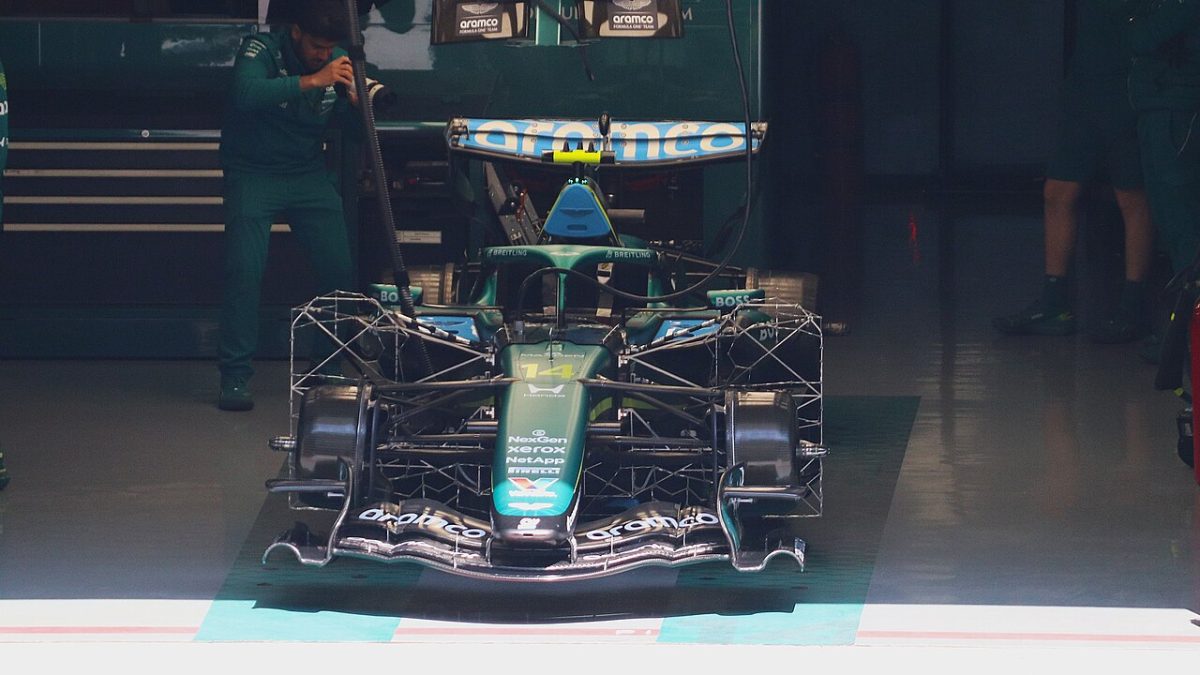
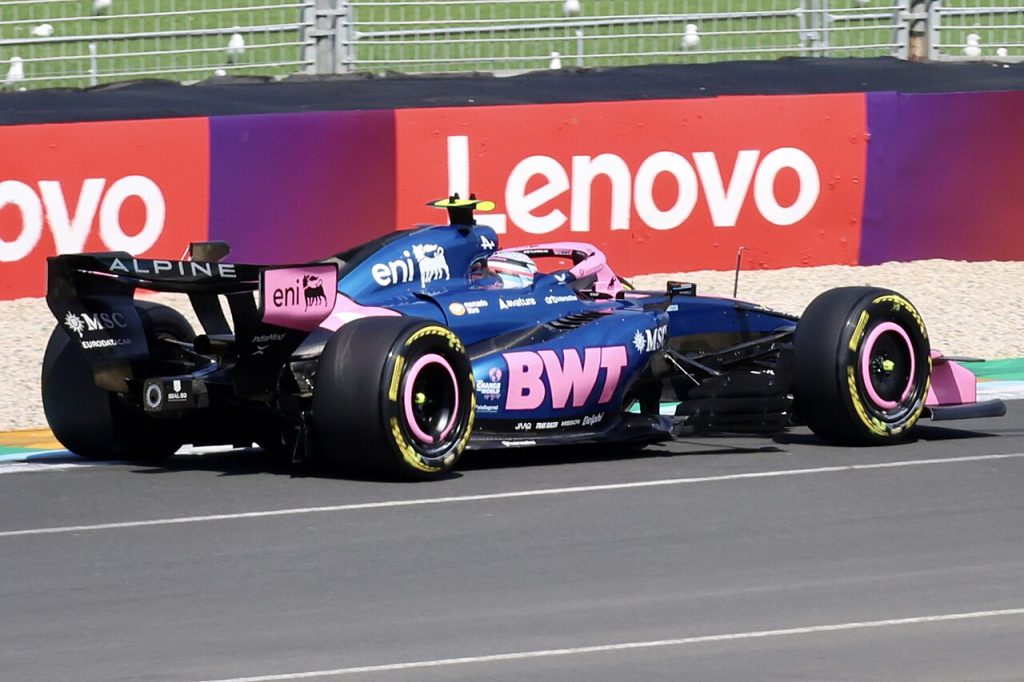
The 2026 cars are shorter and narrower than the machines they replaced. The maximum wheelbase was cut by 200mm to 3.4 metres and the floor width by 100mm to 1.9 metres. The minimum weight fell from 800kg to 768kg, even though the power units themselves got heavier. Pirelli’s tyres are 25mm narrower at the front and 30mm at the rear.
The ground-effect tunnels that defined the 2022-25 cars were replaced by a flatter floor. ESPN reported that the target was a 30 per cent cut in downforce and a 55 per cent cut in drag, with the aim of letting a following car keep 90 per cent of its downforce at 20 metres behind.
Safety rules tightened too. The roll-hoop must now survive a 20g vertical load in testing, up from 16g, and the nose cone is now built in two stages.
Half the power from a battery
The engine is still a 1.6-litre V6 turbo hybrid, but the balance inside it has moved. Before 2026, about 80 per cent of the power came from combustion and 20 per cent from electricity. The new target is close to an even split. The MGU-K, the motor that recovers and deploys energy through the rear axle, now produces up to 350kW, against 120kW before. The combustion engine was pegged back from more than 550kW to roughly 400kW through lower fuel flow and a lower compression ratio.
The MGU-H, which recovered energy from the turbocharger and was expensive and hard to master, was removed. That was one of the reasons Audi agreed to join as a works power unit maker. Ferrari, Mercedes, Honda and Red Bull Powertrains, working with Ford, make up the rest of the supplier list, and General Motors plans its own unit for Cadillac from 2029.
The fuel changed as well. Every car now runs on Advanced Sustainable Fuel, which must be certified by an independent body on the FIA’s behalf before it is used.
Straight Mode, Corner Mode and Overtake Mode
The wings now move. Both front and rear wings have flaps that open in Straight Mode to cut drag on designated parts of the track, marked for drivers by “SM” boards, and close in Corner Mode for grip. In the wet, only the front wing is allowed to move.
Overtake Mode took the place of DRS. A driver within a second of the car ahead at a detection point gets extra electrical deployment for the following lap and an extra 0.5MJ of recharge. Without it, electric power tapers away from 290km/h to nothing at 355km/h. With it, the full 350kW is available up to 337km/h, and a driver can use it anywhere on the lap rather than only on a straight.
The drivers were not all convinced. Max Verstappen called the new formula “anti-racing” and compared it to “Formula E on steroids”, and Lewis Hamilton said in preseason testing that it was “ridiculously complex”. Through the spring, complaints about energy management on fast laps at circuits such as Suzuka led the FIA into reviews of how the rules were working.
How the season played out
Mercedes read the regulations best. By the summer break, Antonelli led the championship after 11 rounds with six grand prix wins, and he went on to wrap up the title before the final two races. F1’s chief executive, Stefano Domenicali, said in July that “the championship is becoming very, very fascinating”, after five rounds had produced five different winners.
Verstappen won in Las Vegas last weekend after a slipstream battle down the Strip and called the race “really, really surreal and something that I’ve never seen before in Formula 1 myself”. Qatar follows on 27 to 29 November and the season ends in Abu Dhabi on 6 December, where third place in the standings is still open between Hamilton, George Russell and Lando Norris, three points apart.