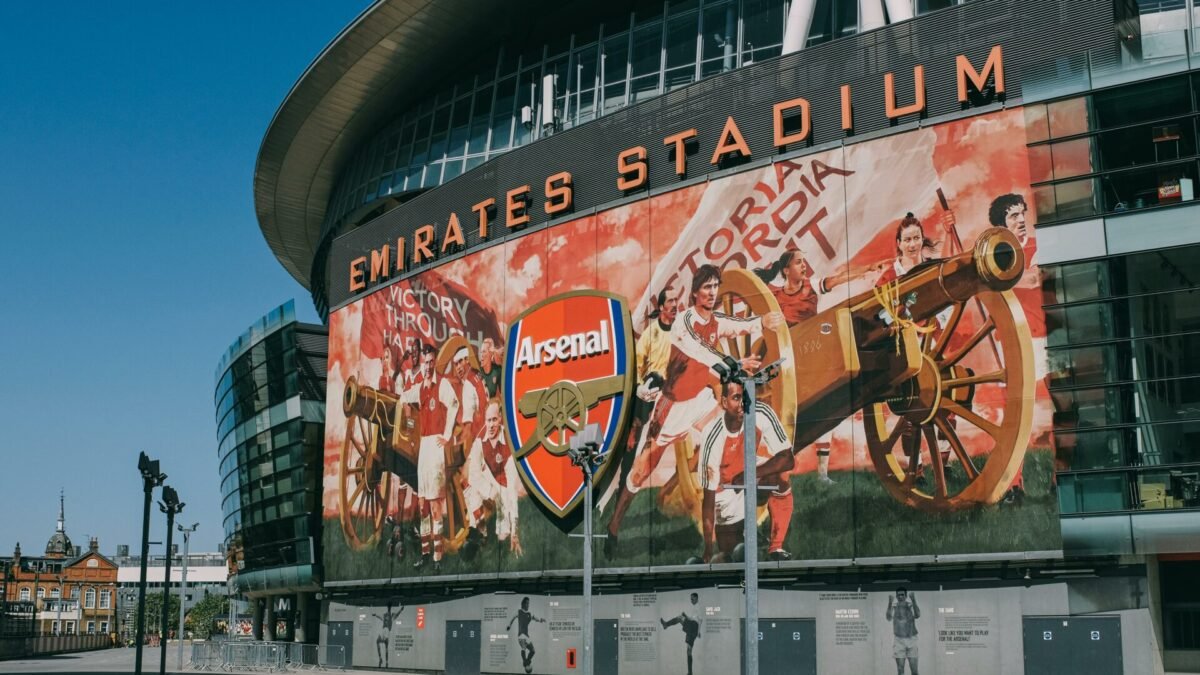
Arsenal have ruled out a major expansion of the Emirates Stadium and will instead invest in a series of incremental improvements to the existing facilities. After two years of considering plans to increase capacity to around 80,000, the club decided against a large-scale redevelopment that could have required a temporary move to another stadium.
The decision was disclosed during a meeting of the Arsenal Advisory Board on September 24, which gathered senior club officials and supporter representatives both in person and online. The club confirmed that it is now focused on a “continued evolution” of the stadium rather than a grand revamp, with no “huge scale masterplan” currently underway.
Arsenal’s plans include upgrades to catering, safe-standing areas, hospitality suites, retail outlets, and the overall visitor experience. These changes aim to improve matchday conditions without the disruption that a full expansion would bring. The club also intends to finalise work on 5G mobile connectivity inside the stadium during the current season, addressing a long-standing shortcoming.
The Emirates remains one of the few major Premier League stadiums without fast 5G or dedicated Wi-Fi, lagging behind several of Arsenal’s big-six rivals who have already installed such technology years ago. The club has been discussing these 5G improvements since at least August of last year, but the work has yet to be completed. Supporters will be watching closely to see the promised upgrades finally arrive this season.
The choice not to pursue a major increase in capacity reflects practical concerns. Expanding the stadium significantly would have been costly and disruptive, especially if Arsenal had to find a temporary home while construction took place. There is also no guarantee that the financial return on such an investment would justify the upheaval.
Instead, the club appears to be prioritising smaller-scale, more manageable projects likely to generate better returns, particularly through improvements in hospitality. These areas typically offer higher revenue per visitor compared to general seating, which could help offset the lack of additional capacity.
Arsenal’s official statement emphasised that the club is committed to continuously improving the matchday experience for supporters through these targeted upgrades. The focus on safer standing areas and enhanced catering options is expected to appeal to fans seeking more comfort and variety during games.
While the prospect of an expanded Emirates with 80,000 seats has been on the table for some time, the club’s leadership, including members of the Advisory Board, have decided that the potential disruption and expense outweigh the benefits at present. The club’s strategy now involves evolving the stadium incrementally rather than undertaking a disruptive overhaul.
The ongoing 5G connectivity project is the most concrete technical improvement in progress. Given that the club has been talking about it for over a year, there is rising expectation among supporters that this upgrade will finally materialise during the current campaign.
Arsenal’s approach contrasts with some rivals who have pursued stadium expansions or new builds to increase capacity and revenue. Instead, the club is focusing on enhancing existing infrastructure and services to improve the overall matchday environment at the Emirates.
The latest update from the Advisory Board meeting on September 24 confirmed that Arsenal will not be moving forward with a significant expansion plan in the foreseeable future. The club’s attention has shifted firmly towards practical, incremental improvements rather than a dramatic redesign of their home ground.
According to Yahoo Sports.