
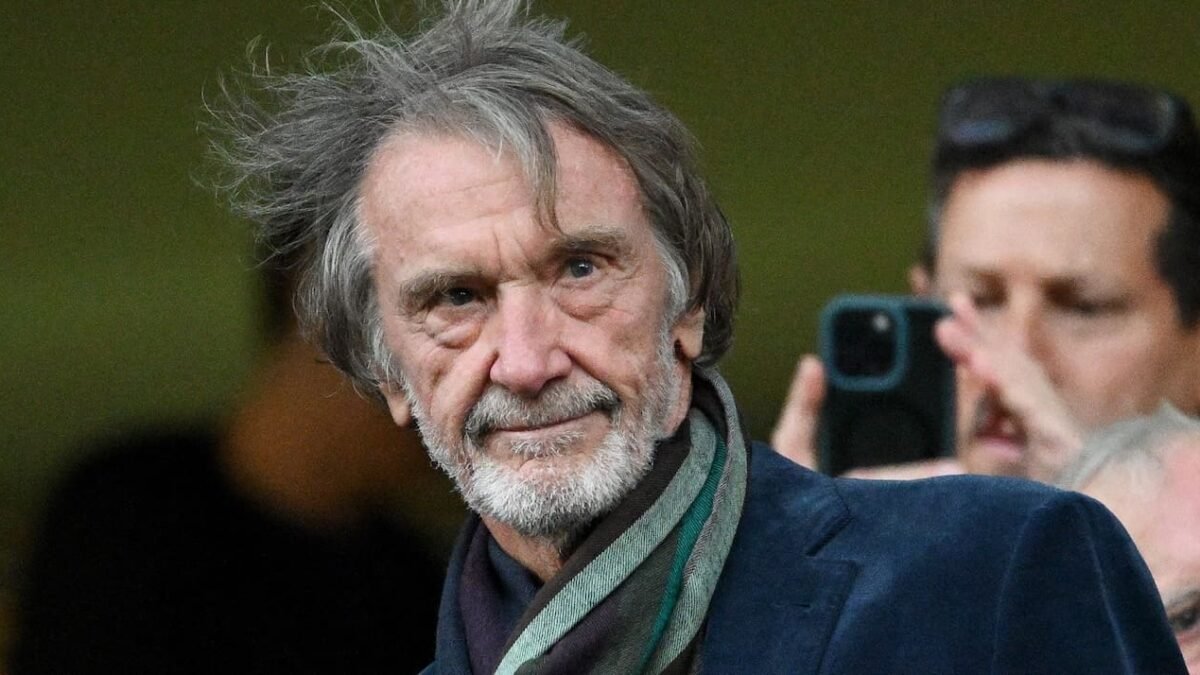
Manchester United’s problems run deeper than managerial instability, with INEOS’s handling of the club’s structure since their takeover drawing sharp criticism. The saga began with the high-profile hiring and firing of Dan Ashworth, who was brought in to build a strong sporting framework but was dismissed amid internal disagreements.
Ashworth’s appointment was a rare moment of optimism. He arrived after successful stints at Brighton, Newcastle United, and the English FA, tasked with restoring the club’s organizational coherence lost after Sir Alex Ferguson and David Gill’s departures. The process of securing Ashworth was fraught, with Newcastle initially demanding £20 million for his early release. After months of negotiation, they settled on a £3 million fee, reportedly influenced by compliance with the Premier League’s Profitability and Sustainability Rules.
Jason Wilcox preceded Ashworth as Technical Director, joining from Southampton. He was expected to support Ashworth and contribute to a clear leadership structure alongside CEO Omar Berrada, who had a strong working relationship with Wilcox dating back to their time at Manchester City. However, the dynamic between the three—Berrada, Ashworth, and Wilcox—quickly became complicated.
The turning point came during the decision over Erik ten Hag’s replacement. Wilcox and Berrada allegedly backed Ruben Amorim, the Sporting Clube de Portugal manager, as the club’s next head coach. Ashworth disagreed, believing the current squad was ill-suited to Amorim’s style. His dissent led to his abrupt sacking, leaving Wilcox to absorb Ashworth’s responsibilities and try to make Amorim’s tenure work. This ended following a reported outburst from Amorim, who was then dismissed.
This episode exposed fractures in the club’s leadership. Some suggest that if Amorim had remained composed, United might still be adhering to his tactical vision, despite mediocre results. Wilcox, however, has not matched Ashworth’s track record of consistent progression and has overseen a continuation of the sporadic approach to squad building that has troubled United since the Glazers’ era. Spending has been marginally smarter under INEOS, but fundamental squad issues remain unresolved.
The club’s lack of a unified sporting vision continues to complicate managerial efforts. Michael Carrick, currently in charge after ten Hag’s departure, faces the challenge of managing a squad pieced together without a clear plan, a situation that may hinder his ability to implement long-term strategies.
Omar Berrada’s role as CEO is less visible on the pitch but raises questions about the broader governance model at Old Trafford. Both INEOS and the Glazers have been criticised for appointing individuals based more on loyalty than proven experience. The appointment of Matt Hargreaves as Director of Football Negotiations exemplifies this critique. Hargreaves, who came from a marketing background at Adidas rather than a football operations role, has become a symbol of the club’s questionable recruitment choices.
Fans are left wondering how different United might look had Ashworth remained and been allowed to execute his vision. Until Manchester United addresses the deeper cultural and structural issues behind the scenes, the return to consistent success appears unlikely. The current situation under Carrick may offer some respite, but it unfolds within a framework still shaped by decisions made since INEOS’s takeover that have yet to yield lasting progress.
According to Yahoo Sports.