Major League Baseball’s collective bargaining agreement expires at 11:59pm ET on Tuesday 1 December, and the sport is heading toward its second lockout in five years. The owners’ latest offer includes a salary cap of $258.2 million and a payroll floor of $180.2 million from 2028. The players’ union has refused to accept any cap, and the gap between the two sides has not closed in the final week of November.
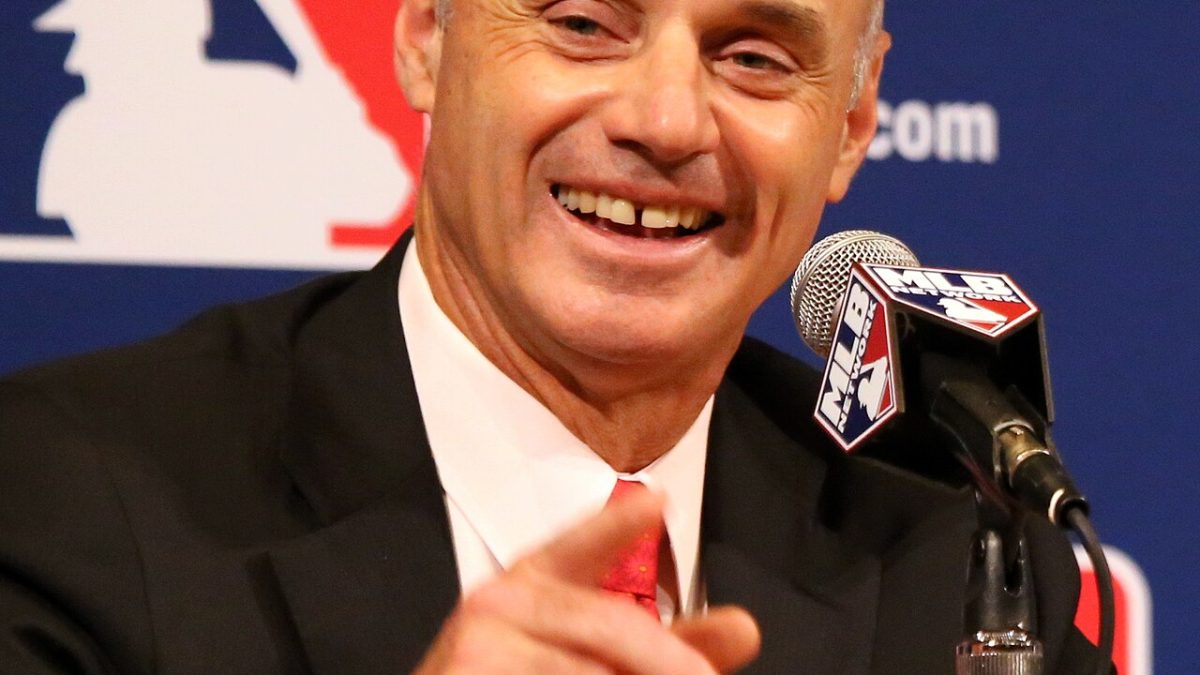
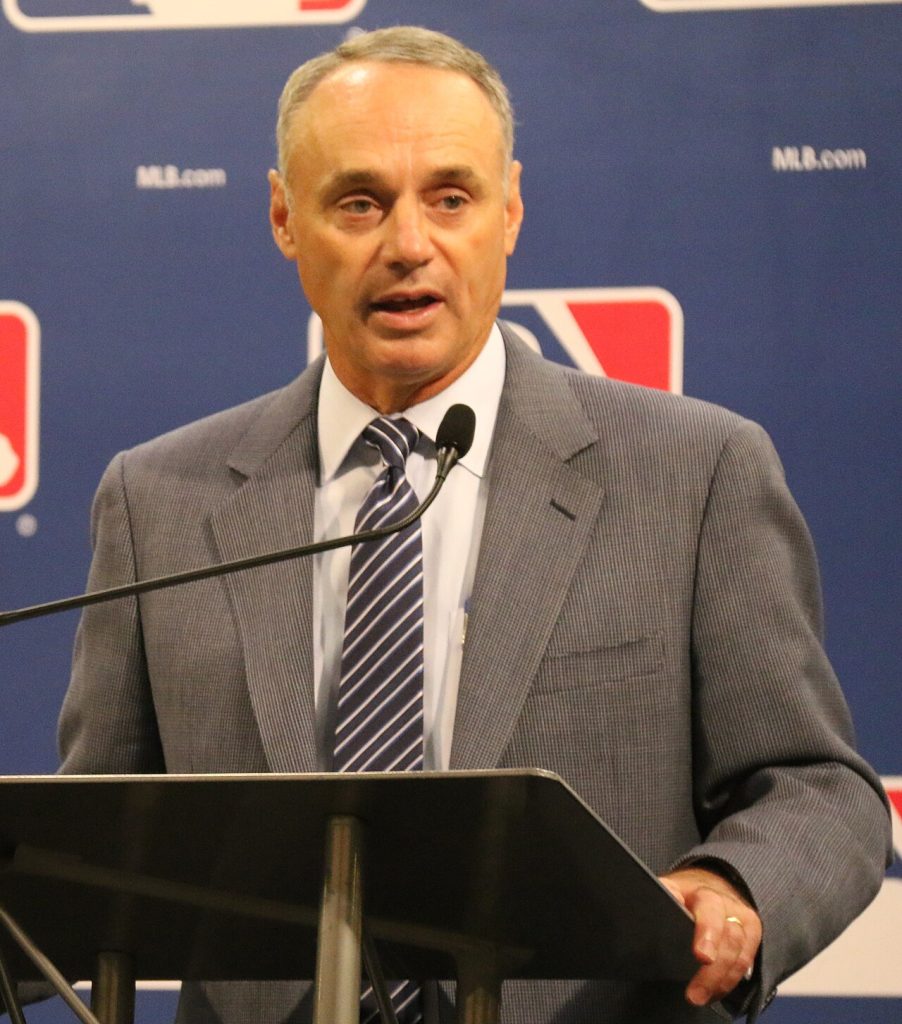
“I can’t imagine the owners ratifying a deal that does not include a cap and floor,” commissioner Rob Manfred said on 18 November. Bruce Meyer, the interim executive director of the MLB Players Association, answered the same day that the league wanted “to make more money in profits and franchise values by artificially suppressing player salaries”.
What the owners have put on the table
MLB has never had a salary cap. Teams that spend above set thresholds pay a competitive balance tax, but nothing stops a club from carrying a payroll far above its rivals. The league’s first proposal this autumn called for a cap of $245.3 million and a floor of $171.2 million beginning in 2027. Its revised offer, made in early November, raised both figures and pushed the start back a year, keeping the current luxury tax and revenue-sharing systems in place for 2027.
According to NBC Sports Philadelphia’s tracker of the talks, teams would be allowed to operate at 90 per cent of the floor, about $162.2 million, at first, reaching the full amount over three years. The league has also proposed splitting defined baseball revenue 50-50 with players and centralising media revenue. On 23 November MLB offered to raise the minimum salary to $1 million in 2027, up from $780,000.
The union has accepted one part of the league’s thinking. It agreed to equal sharing of media revenue across all 30 clubs, but without a cap attached. Meyer has called the league’s other demands a continuation of “anti-player restrictions” and accused MLB of a “lack of seriousness” for refusing to discuss economics outside its cap proposal.
The people across the table
Meyer was the union’s lead negotiator in the 2021-22 talks and now also runs the MLBPA on an interim basis, with Matt Nussbaum promoted to deputy executive director. An eight-player executive subcommittee that includes the Detroit Tigers pitcher Tarik Skubal and the Pittsburgh Pirates pitcher Paul Skenes sits alongside the staff.
On the league side, Manfred is joined by deputy commissioner Dan Halem, the chief negotiator, and Morgan Sword, the executive vice president for baseball economics. Manfred has said the owners will decide on a lockout “at the last possible moment”.
What a lockout would mean
If no deal is signed by the deadline, owners are expected to lock the players out, which ESPN described as “shutting down all league business until a new agreement is reached”. Signings and trades involving major-league players would stop, as early as 2 December. Players would lose access to team facilities and could not talk to coaches or front-office staff.
A lockout would not cancel games straight away. Spring training does not begin until February, and the 2027 regular season is months off. The last one began after the previous agreement expired on 1 December 2021 and lasted 99 days. It ended in March 2022 with a deal that preserved a full 162-game schedule, though opening day was pushed back.
The deadline has already shaped the free-agent market. ESPN expects a rush of signings before 1 December, as happened in 2021, when Corey Seager, Marcus Semien and Javier Báez all agreed big contracts in the final days before the lockout. Agents and clubs know that any deal not done by Tuesday night could be frozen until spring.
The Winter Meetings in doubt
The sport’s annual Winter Meetings are scheduled for 7 to 9 December in San Diego. They are where general managers, agents and executives gather to trade and sign players, and where the Rule 5 draft is usually held. Several outlets have reported that the meetings depend on a new agreement being in place, and with a lockout expected, they may not go ahead in their usual form.
The General Managers Meetings were held in Las Vegas from 9 to 12 November, before the talks reached their final stage. If the owners lock out the players on 2 December, the next time teams can sign a major-league free agent will depend on how quickly two sides who cannot agree on the word “cap” find a figure they can both sign.