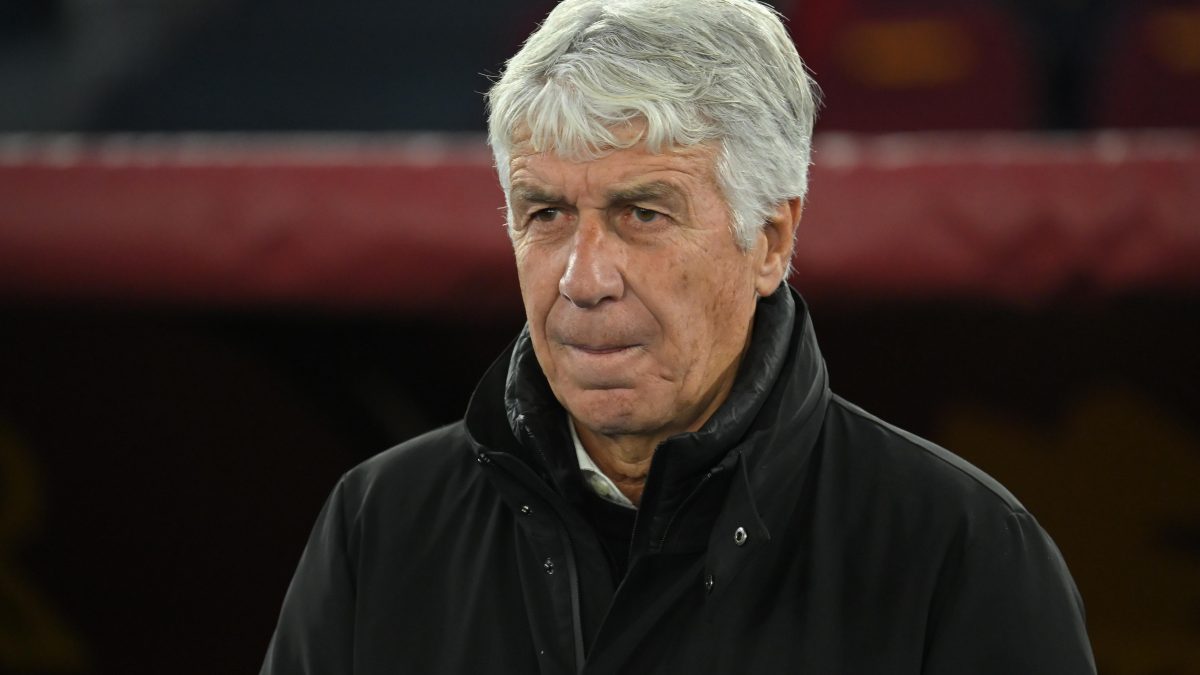
Roma’s defensive struggles in high-stakes matches have brought Gian Piero Gasperini’s substitution choices under fresh scrutiny, especially after the Champions League losses to Manchester United and Real Madrid. Despite a convincing 3-0 win against Sassuolo on November 7, the questions over Gasperini’s in-game management persist as the Serie A side enters the international break.
The problems stem largely from the coach’s decisions to overhaul the backline during crucial moments. Against Manchester United at Old Trafford, Gasperini replaced two-thirds of his starting defensive trio, leaving only Leonardo Balerdi on the pitch from the original back three. Balerdi’s errors contributed significantly to United’s comeback, allowing the English club to overturn Roma’s lead. This was not an isolated incident. A similar pattern appeared in the clash with Real Madrid, where two defensive substitutions preceded the Spanish side’s crucial goal that cut Roma’s lead to one. In Serie A, the draw with Inter in September saw Roma making three centre-back changes, with none of the original backline finishing the match. Inter’s equaliser arrived between the second and third substitutions.
These repeated defensive adjustments have raised eyebrows because the backline is typically the least altered area when a team is trying to protect a lead. Players already on the pitch tend to be more settled in the game’s rhythm, and introducing fresh defenders can disrupt the defensive flow. Gasperini’s approach has not yielded the desired results, with Roma conceding goals shortly after these changes.
The reasons behind the substitutions remain unclear. Fatigue or injury could force such moves, but with five substitutions allowed in modern football, enforced changes are less common. If Gasperini is making these changes by choice, the timing and selection appear counterproductive, particularly in top-level European fixtures.
Roma’s statistics after using all five substitutions this season offer a mixed picture. In Serie A, the team has scored eight goals and conceded none after the final changes, suggesting the substitutions work well domestically. However, in the Champions League, Roma have conceded five goals and failed to score after making all five substitutions, with those goals coming in the two heavy losses against Real Madrid and Manchester United. This disparity points to a potential gap in squad depth or a misjudgment in handling the demands of European competition.
Looking at the team’s record following the first substitution shows a more positive trend: 18 goals scored and 11 conceded overall, and in Serie A, 15 goals for and only four against. These numbers imply that Gasperini’s initial changes are generally effective, but the later substitutions might be harming Roma’s defensive solidity in critical moments.
Another recurring pattern during Gasperini’s tenure is his occasional indecision on substitutions. There have been several instances where a player has been called to warm up and then left on the bench while another is brought on instead. This happened multiple times last season, raising questions about whether Gasperini adjusts his plans based on unfolding game dynamics or doubts his initial choices.
Despite these concerns, Roma’s squad depth currently appears stronger than in previous seasons. The club has six centre-backs competing for three starting spots, and four solid options in wide defensive positions. This should, in theory, give Gasperini a wide range of tactical options to manage games without destabilising the defence. Yet the pattern of defensive substitutions leading to goals conceded suggests either the depth isn’t translating into effective in-game management or the timing of changes is poorly judged.
Gasperini’s tactical preparations before matches have generally been praised. Roma’s unbeaten run of 11 Serie A games and their fluid, attacking performances mark a significant improvement from last season. The problem lies not in the initial setup but in how the team is managed once the match is underway, especially when protecting leads against strong opposition.
The international break offers Roma and Gasperini a chance to review these issues carefully. The challenge will be to balance the desire to refresh the squad with maintaining defensive stability. How the coach addresses these substitution dilemmas will be crucial as Roma aim to maintain their positive domestic form and improve their Champions League performances.
According to Yahoo Sports.