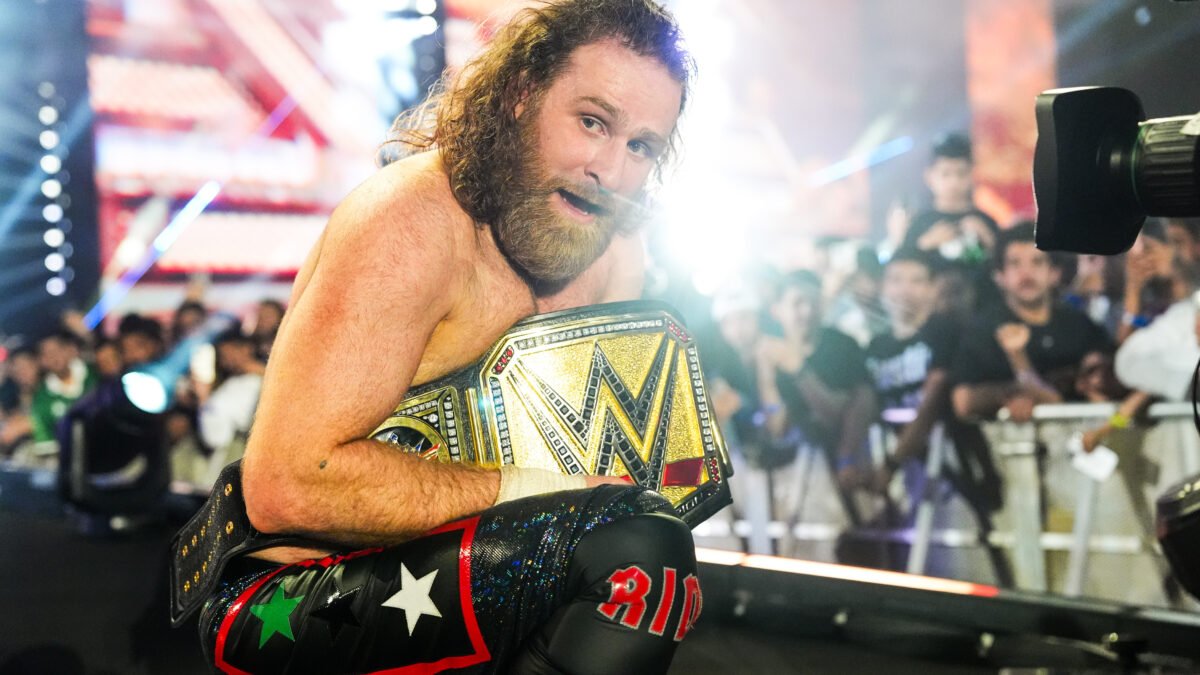
WWE is pressing ahead with its Crown Jewel event in Riyadh on November 7 despite a recent surge in deadly missile attacks on the Saudi capital and a wave of cancellations by other major events. The decision comes as the Iran-backed Houthi rebels in Yemen launched a missile strike on Riyadh airport that killed at least 20 people and wounded 370, marking the deadliest attack on Saudi soil in over a decade.
While several high-profile events in Riyadh have been postponed this month, including the annual Davos in the Desert forum, the Six Kings Slam tennis tournament, and the Saudi International golf tournament, WWE insists Crown Jewel will proceed as planned. The company’s parent, TKO Group Holdings, has significant financial reasons for maintaining the event. Saudi Arabia has contributed about a quarter of WWE’s live-event revenues in recent years, with the average Saudi show generating more income than WrestleMania.
WWE’s roster for Crown Jewel includes Roman Reigns and Sami Zayn, who are scheduled to compete in the event. The company reportedly receives a $50 million fee for Crown Jewel, a sum that would be difficult to forgo. Beyond immediate earnings, WWE is also eyeing a larger deal with Saudi Arabia for WrestleMania 43, expected to be held in Riyadh next year. Estimates suggest Saudi Arabia could pay $150 million or more for that event, potentially the largest payment WWE has ever received.
Turki Alalshikh, the Saudi official controlling the kingdom’s sports investments, has been vocal on social media amid the growing tensions. After Mexican boxer Saul “Canelo” Alvarez confirmed he would fight in Riyadh on October 31 despite the security risks, Alalshikh posted a message declaring, “hard times reveal true friends.” He added, “My country is home to the two Holy Mosques, land of peace, safety, rich civilization, deep history, and kind-hearted people.” The post was seen as a pointed message to those who have canceled commitments to Saudi Arabia.
The Crown Jewel situation highlights a difficult balance for WWE executives. Pulling out could risk the $50 million fee and damage the company’s relationship with Saudi investors, potentially jeopardizing WrestleMania 43 plans. However, continuing with the event exposes the production crew, wrestlers, and supporting staff to the security threats around Riyadh. Unlike individual athletes such as “Canelo,” who can decide independently whether to travel to Riyadh, WWE must consider the safety of a large entourage and the impact on shareholders.
WWE reportedly has a backup venue lined up in the United States should the security situation worsen. However, relocating Crown Jewel would still create a significant financial gap and raise questions about the viability of future Saudi partnerships. The company’s leadership, including CEO Nick Khan, faces growing pressure to navigate the risks while maintaining lucrative deals in a volatile region.
The last missile strike on Riyadh occurred more than a week ago, but fighting continues in Yemen, making the security outlook uncertain. Other businesses and sports organisations have opted to postpone or cancel events in Riyadh, yet WWE remains committed to its schedule for now.
The Crown Jewel decision puts WWE in a challenging position amid an unstable environment. The company’s reliance on Saudi investment has brought short-term financial gains but also exposed it to geopolitical risks that are difficult to manage. With the event less than three weeks away, WWE’s next moves will be closely watched both inside and outside the wrestling world.
According to Yahoo Sports.