
The NFL has called on the US Supreme Court to clarify who should regulate sports prediction markets, warning that the current legal uncertainty risks harming consumers and the integrity of its games. In an amicus brief filed on Thursday, the league backed New Jersey’s request for the high court to rule on whether states or the federal Commodity Futures Trading Commission (CFTC) have authority over these markets, which allow trading on the outcomes of future sports events.
The NFL’s brief said more than half of the $3.3 billion traded on prediction markets during the first Sunday of this NFL season—about $1.8 billion—was related to its games. The league argued that states, which already regulate legal sports betting, are better positioned than the CFTC to oversee sports-related contracts because of their experience with gambling laws.
“Absent the clarity that only this Court can provide, [prediction market] operators will continue exploiting the gap between state and federal regulation, endangering consumers and the integrity of sports events across the country,” the NFL’s lawyers wrote.
The league criticized the CFTC’s ability to enforce regulations, noting that its 543 employees cover a wide range of derivatives beyond event contracts. “Without adequate staff engaged in oversight and enforcement, even the best regulations cannot meaningfully ensure game integrity and consumer protection,” the brief said.
The NFL has also urged the CFTC and prediction market operators to adopt a list of prohibited wagers that it believes pose the greatest threats to game integrity, but the commission has declined so far. The league has requested raising the minimum age for trading on prediction markets from 18 to 21.
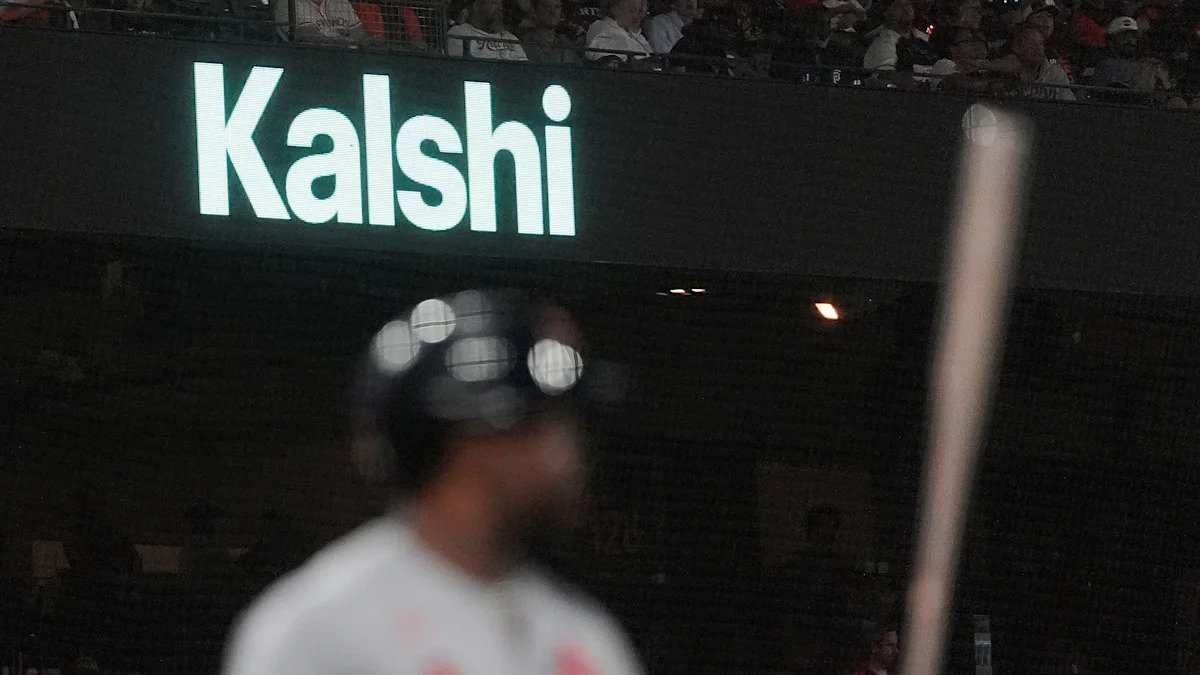
Kalshi, one of the largest prediction market operators, responded by emphasizing its focus on market integrity and partnerships with sports leagues including the NHL and Major League Baseball. Kalshi spokeswoman Elisabeth Diana said the CFTC actively polices sports-related markets, which are now listed on nearly every US commodities exchange. She added that the commission’s ongoing rulemaking addresses many of the NFL’s concerns and benefits from a federal enforcement system that protects trillions of dollars in transactions.
Diana also said Kalshi has tried to collaborate with the NFL on market integrity but has received no response.
Polymarket, another operator, expressed agreement with the NFL’s concern for game integrity and said it supports a harmonized federal framework to replace the patchwork of state laws established over the years.
The legal dispute over who regulates prediction markets has split federal appeals courts. The 6th and 9th Circuits have ruled in favor of states maintaining regulatory authority, while the 3rd Circuit sided with Kalshi in a ruling earlier this year. More than 20 states are involved in litigation on this issue.
Ohio filed a brief supporting New Jersey’s position, backed by 38 states including Arkansas, California, Illinois, Missouri, New York, South Carolina and Pennsylvania. The group argued that states should retain the power to regulate prediction markets as they do for casino gambling and sports betting.
The NFL’s brief said it sides with the 6th and 9th Circuits, viewing their approach as more suitable to the current environment.
The Associated Press sought comment from the CFTC but had not received a response at the time of publication.
According to Yahoo Sports.