Yahoo’s High Score fantasy basketball draft strategy for 2026-27 demands a rethink for any fan used to traditional formats. The scoring system rewards the single best weekly performance from each of six starters, shifting focus from steady production to explosive, occasional output.
Scoring awards one point for points and rebounds, two for assists, and three for steals and blocks. Teams field two guards, three frontcourt players, and one flex/utility spot, plus a four-player bench. Unlike usual fantasy basketball leagues, position eligibility is more flexible, enabling managers to stack guards, versatile forwards, or a mix.
Dual-position eligibility, especially players qualifying as both guard and frontcourt, offers a distinct advantage. Only 19 of the top 120 players possess that trait, including Cooper Flagg, Kevin Durant, Austin Reaves, Jaylen Brown, Desmond Bane, Kawhi Leonard, Zach LaVine, and Andrew Wiggins. Injuries and rest days are common, and these players provide lineup flexibility many others cannot.
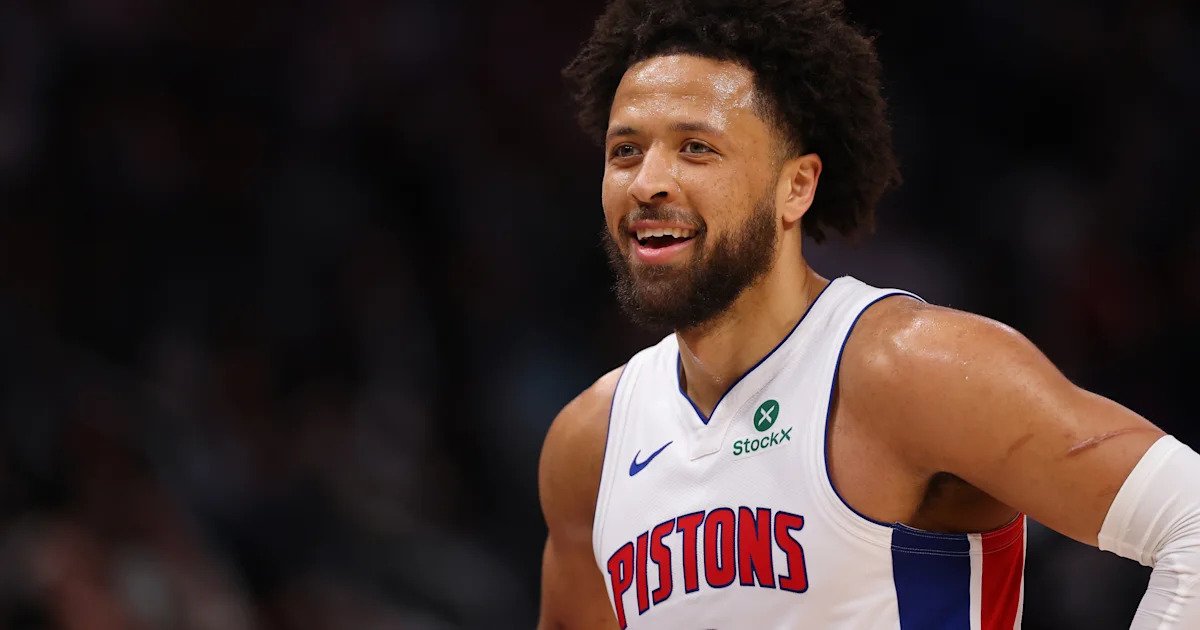
Guards carry extra value because assists count for two points each, and turnovers are not penalized. Steals, worth three points, add another layer of appeal to guards who excel defensively. Darius Garland moved from 61st to 45th in per-game value under High Score scoring last season, Andrew Nembhard climbed from 59th to 44th, and Cade Cunningham rose from sixth to third. Guards who dish out six to ten assists and snag steals start with a significant advantage before scoring or rebounds enter the equation.
Big men remain important, but those who contribute beyond rebounds and blocks fare better. Assists for frontcourt players matter more than rebounds in this format. Alperen Şengün, a frontcourt player with playmaking ability, maintained his value. Traditional centers focused on rebounds and blocks but limited playmaking fall behind. Rudy Gobert dropped from 55th in standard points leagues to 72nd under High Score scoring. Donovan Clingan slid similarly. Predictable, steady nights from such bigs rarely reach the 30 fantasy point mark needed to win a week.
Another shift comes in how managers approach injury risk and consistency. Players who miss many games or have erratic performances remain valuable if they deliver one monster game weekly. Joel Embiid, who played only 38 games last season, still appeared in 17 of 25 weeks and averaged about 53 fantasy points in his best weekly game. In High Score, one explosive performance can carry a week, insulating managers from load management and injury concerns typical in other formats.
Mid-round picks should target players capable of weekly outbursts rather than consistency. Matas Buzelis averaged 31 percent more fantasy points in his best weekly game than his average. Quiet games do not penalize managers since only the best performance counts.
The format also encourages late-round gambles on rookies with clear roles. Darius Acuff Jr., running point in Sacramento, Darryn Peterson, Utah’s No. 2 overall pick, and Mikel Brown Jr. are among those expected to have shot opportunities and the capacity for big games. Small rosters of 10 players, including four bench spots, make it easy to drop underperformers and pick up hot waiver additions.
Defensive stats, or “stocks,” also play a notable part, with steals and blocks worth three points each. Defensive guards like Derrick White who accumulate steals gain added fantasy value.
This approach prioritizes explosive, versatile players—especially guards who can distribute and defend—and rewards risk-taking on rookies and inconsistent stars. Managers who draft accordingly will better navigate the chaos of the NBA week under Yahoo’s High Score format for the 2026-27 season.
According to Yahoo Sports.